History
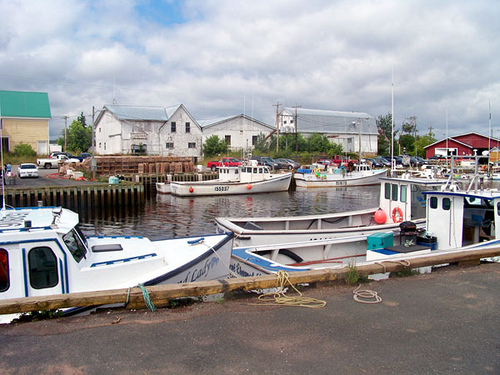
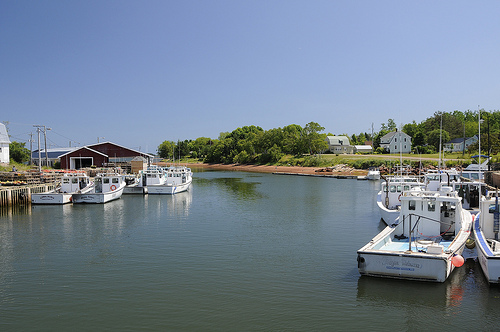
Murray Harbour is a community with history and folklorne to share with you from the ship building days, commercial trade, Indian Woods, the rum runner Nellie J Banks and the last line of the Railway.
Railway  
It is difficult to imagine this quiet site beside the South River as a noisy railway terminus full of steam trains (later diesels), railway snowplows, a turntable for the engines, a roundhouse and a 950 ton capacity cool storage building. This lively history began a century ago when the 48-mile-long branch was opened for regular traffic from Charlottetown on September 26, 1905. Murray Harbour was the last of 22 station stops on the line and thus the depot where the daily train
(except Sunday) and train crew spent the night. The train was scheduled to arrive at 6:35 PM (and was often later) and after unloading passengers, mail, and freight, it proceeded to the rail yard for replenishment of coal, water and lubrication before being put away for the night, ready for departure at 6:40 the next morning.(con't)

Harbour


It is difficult to imagine this quiet site beside the South River as a noisy railway terminus full of steam trains (later diesels), railway snowplows, a turntable for the engines, a roundhouse and a 950 ton capacity cool storage building. This lively history began a
century ago when the 48-mile-long branch was opened for regular traffic from Charlottetown on September 26, 1905. Murray Harbour was the last of 22 station stops on the line and thus the depot where the daily train (except Sunday) and train crew spent the night. The train was scheduled to arrive at 6:35 PM (and was often later) and after unloading passengers, mail, and freight, it proceeded to the rail yard for replenishment of coal, water and lubrication before being put away for the night, ready for departure at 6:40 the next morning. (con't)


The Nellie J Banks


A legend survives of one vessel among hundreds involved in the illegal importation of alcohol during a particularly desolate period in Maritime history. “Rum-running”, as it was called, became a major industry when fishing declined in the 1920s and through the depression era when it offered good-paying jobs. It was fueled by Prohibition legislation which banned alcohol importation for over four decades after WW1. (con't)

   
Indian Woods


The Mi’Kmaq were nomadic people who traditionally lived inland during the winter where there was sufficient game for food and migrated to the shore in summer where fin- and shellfish were plentiful The Murray Harbour area was one of theose summer destinations. No archaeological work has been done but native people were mentioned by early settlers and Gordon’s Island in Murray Harbour was once known as Indian Island. They called Murray Harbour “Eskwadik” or “Kwodomak”, meaning either “fishing place” or “bay comes to an end”. (con't)